Hier findest du die Künstler*innen, welche an der 20. Jungkunst 2026 ausstellen werden. Viel Spass beim Scrollen!
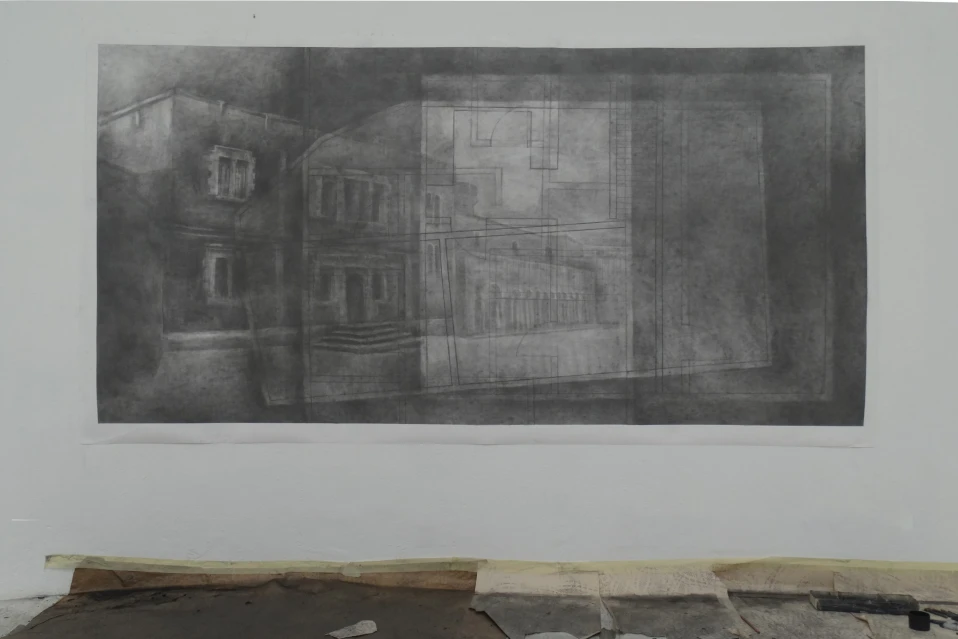
In ihrer künstlerischen Praxis setzt sich Alexandra Taoukidou (sie/ihr) mit Ortswechseln und den emotionalen Zuständen, die damit verbunden sind. Für ihre grossformatigen Zeichnungen auf Papier arbeitet Alexandra vorwiegend mit Bleistift und Graphitpulver.
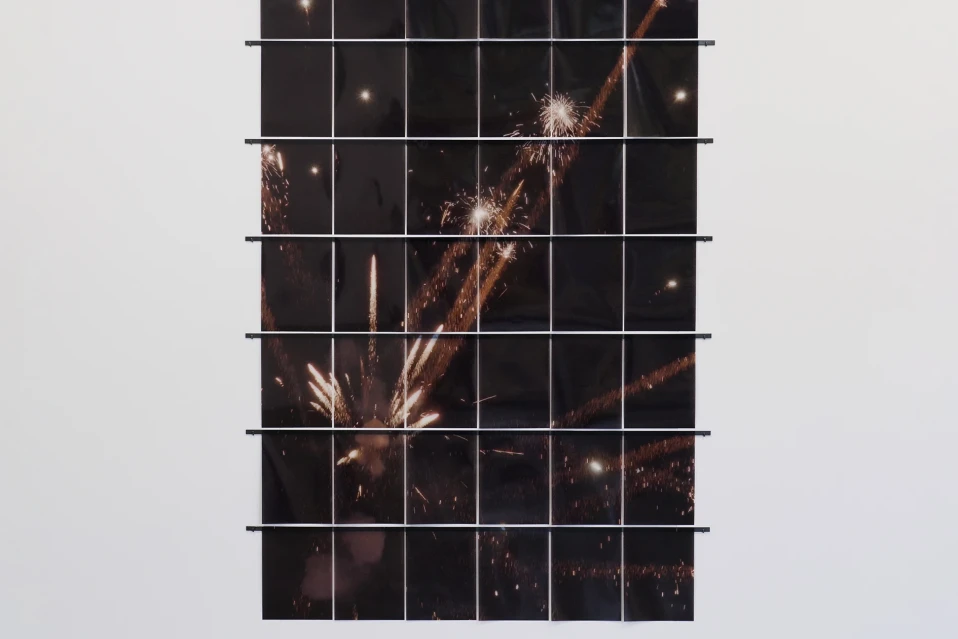
Alyona Hrekova (sie/ihr) stellt die Frage in den Mittelpunkt, wie politische Ereignisse und technologische Entwicklungen unseren Alltag und unsere Wahrnehmung beeinflussen. Ihre Arbeiten setzen häufig an Übergängen an: Zwischen Vergangenheit und Zukunft, Realität und Fiktion oder persönlicher und gesellschaftlicher Erfahrung.
Carla Blanca Corminboeuf (sie/ihr) beschäftigt sich mit Identität und gelebter Tradition. Ausgehend von ihrer peruanischen Herkunft untersucht sie, wie kulturelle Praktiken über Generationen weitergegeben, verändert und neu interpretiert werden.
David Dragan (keine/they/them) versteht den Körper als Archiv, der durch historische und gesellschaftliche Kräfte geprägt ist. Die Beziehungen zwischen Körperlichkeit, Vergangenheit und politischen Bedingungen nimmt er als Ausgangspunkt für seine Performances.
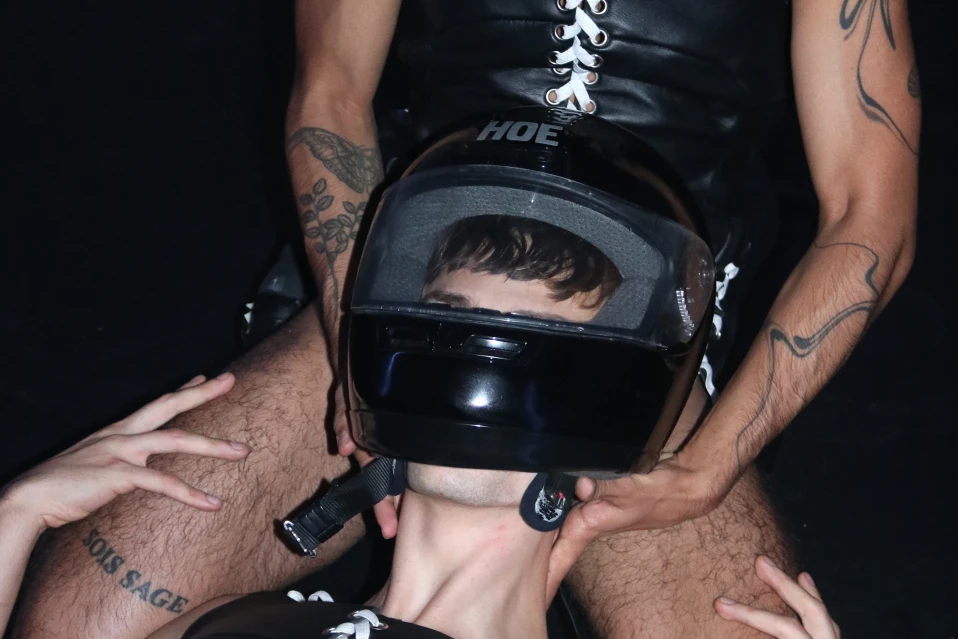
Dominique Bartels (sie/ihr) spürt den materiellen Geschichten von Textilien und Bildern nach. Ausgehend von textilen Herstellungsprozessen und der Verarbeitung natürlicher Fasern geht Dominique historischen Verbindungen zwischen unterschiedlichen Bildmedien und dem Textilen nach.
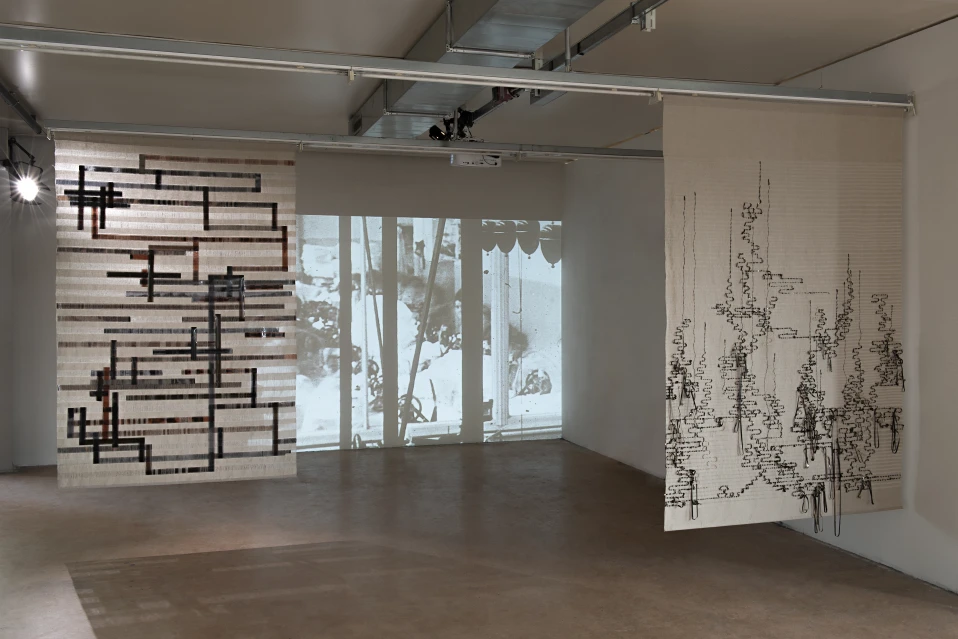
Bei Elia Menang Setiadi (er/ihn) wird Malerei eine Form des Denkens. Ausgangspunkt sind alltägliche Gesten, Klänge, Wörter und Texturen, die Elia sammelt und in eine eigene Bildsprache übersetzt.
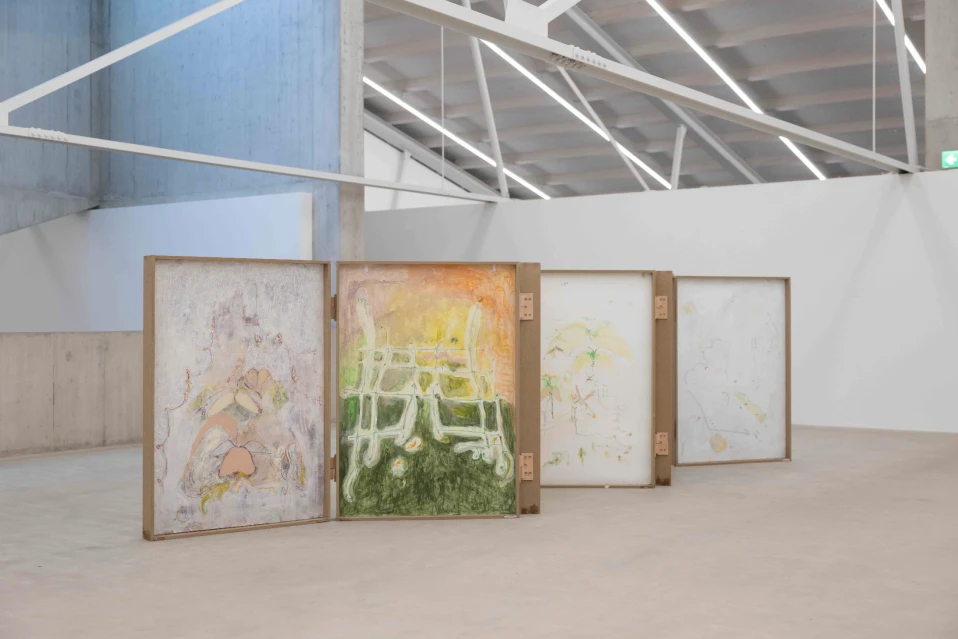
In ihrer künstlerischen Arbeit beschäftigt sich Emilia Trog (sie/ihr) mit der Verbindung von verschiedenen Wissensbereichem und technischen Systemen. Dabei interessiert sie sich ins besonders für strukturelle Gemeinsamkeiten, die über die Grenzen einzelner Systeme hinausgehen. Durch gezielte Verschiebungen und Variationen übersetzt sie bestehende Strukturen in neue Formen.
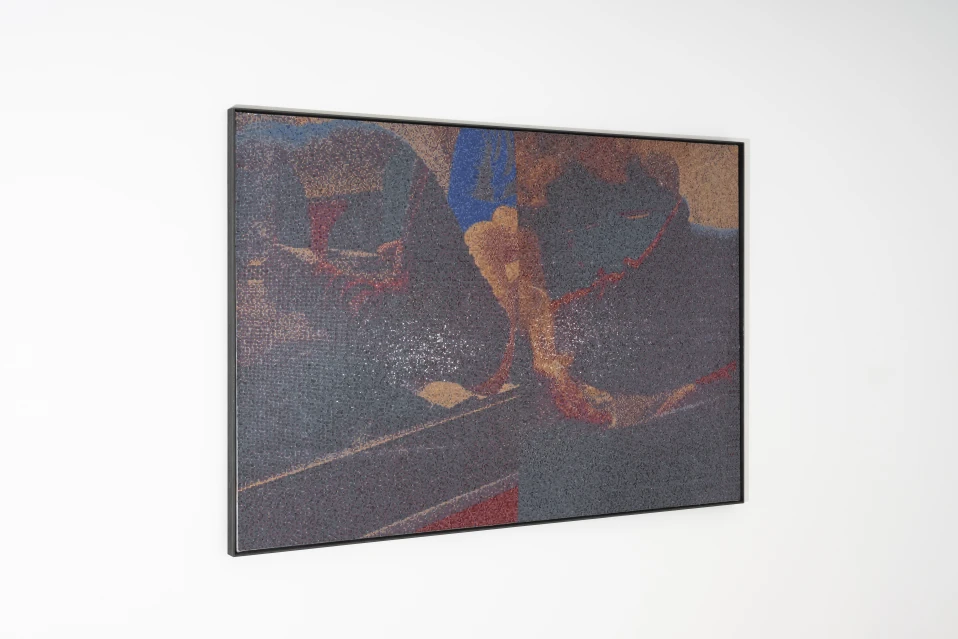
Julien Fournival (er/ihm) entwickelt seine installativen Arbeiten ausgehend von der Beschäftigung mit unserem Verhältnis zu vertrauten Räumen sowie persönlichen und familiären Mythologien. An der Schnittstelle zwischen Häuslichem und Symbolischem entwickelt er Arbeiten, die das Intime zum Ausgangspunkt gemeinsamer Wechselerfahrung machen. Sein besonderes Interesse gilt Zwischenzuständen sowie Formen des Lagerns und Bewahrens.
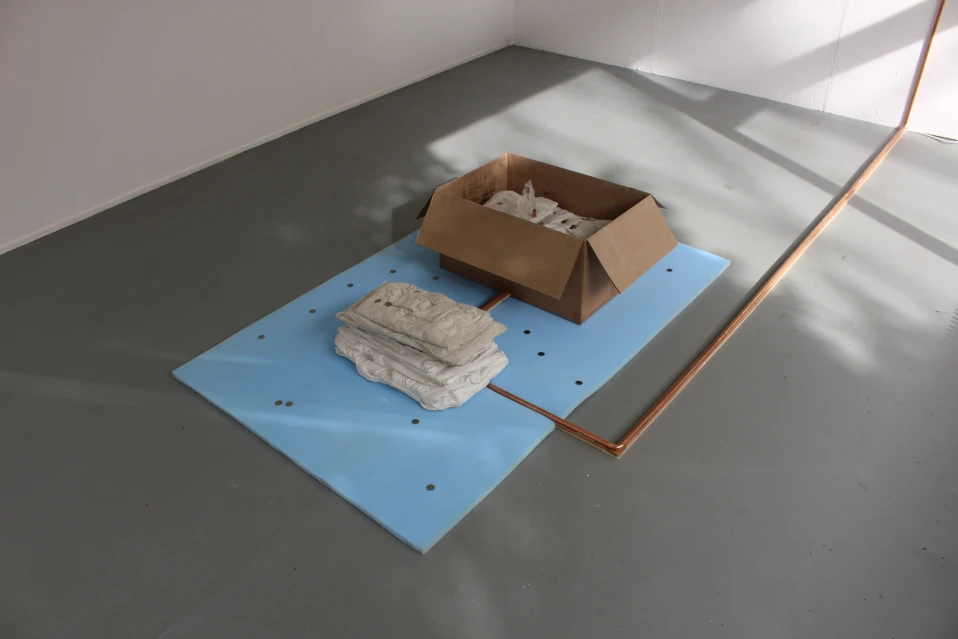
Seit mehreren Jahren begleitet Justine Salamin (sie/ihr) eine Thanatopraktikerin bei der Versorgung von verstorbenen Personen. Die Begegnungen mit fremden Körpern werfen Fragen nach ihrer eigenen Anwesenheit und dem Verhältnis zwischen Lebenden und Toten auf.
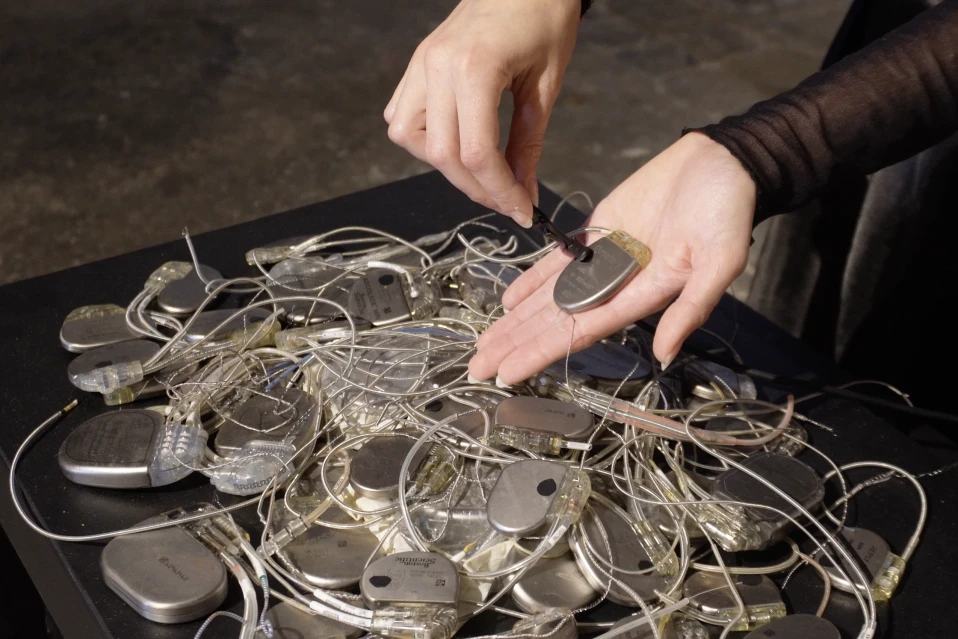
Die Erfahrung des Dazwischens prägt Kika Vilela (sie/ihr) als Tochter portugiesischer Einwanderer. Indem Kika historisch verankerte Materialien und Formen in neue Zusammenhänge überführt, zeigt sie auf, wie kulturelle Geschichten bewahrt, verändert und persönlich weitergetragen wird.
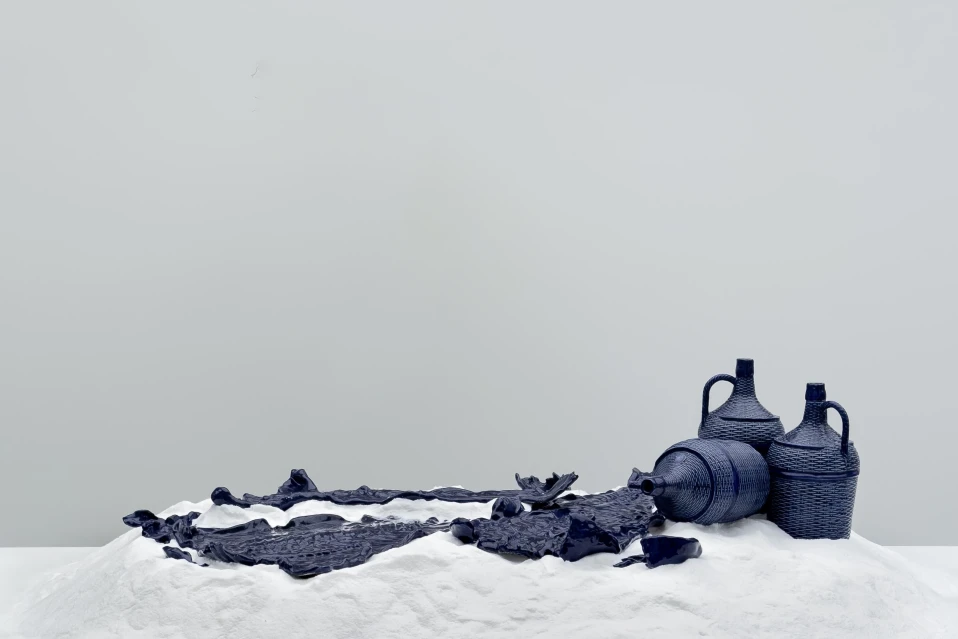
Materialität steht im Mittelpunkt von Kyryl Korins (er/ihm) Schaffen. Ausgehend von soziologischen Ansätzen schafft er räumliche Interventionen, in denen er sich mit Fragen unserer gesellschaftlichen Lebensbedingungen auseinandersetzt.
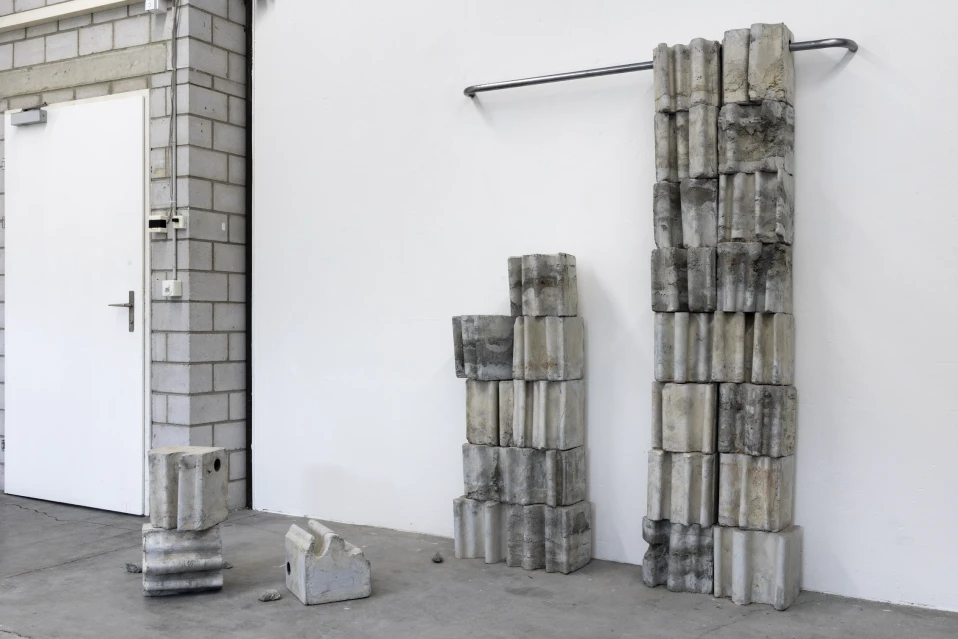
Leila Ruru Ogbon (sie/ihr) spürt den Spuren einer Familie nach, der Geschichte ständig neu geschrieben wird. Dabei interessiert sie sich für die Ambivalenz fotografischer Bilder, die Vergangenes bewahren und zugleich nie vollständig festhalten können.
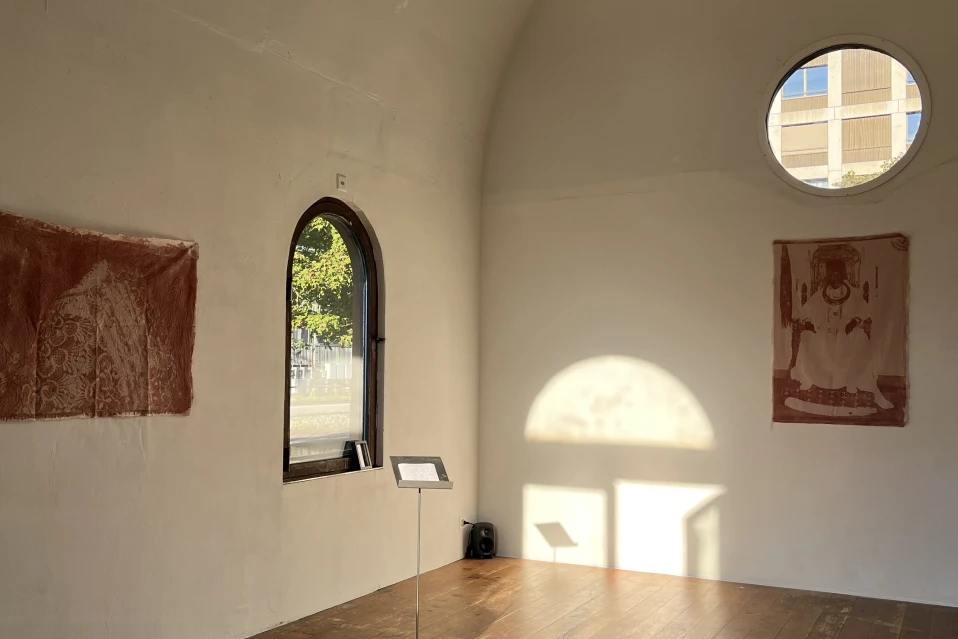
Mahalia taje Giotto (they/them) nutzt Kunst als Raum für Dokumentation, Widerstand und Neugestaltung, in dem das Intime politisch wird. Geprägt von der eigenen Erfahrung als transmaskuline, nichtbinäre Person hinterfragt taje Männlichkeit als ein Phänomen im ständigen Wandel, das gesellschaftlich wahrgenommen, dargestellt und verinnerlicht wird.
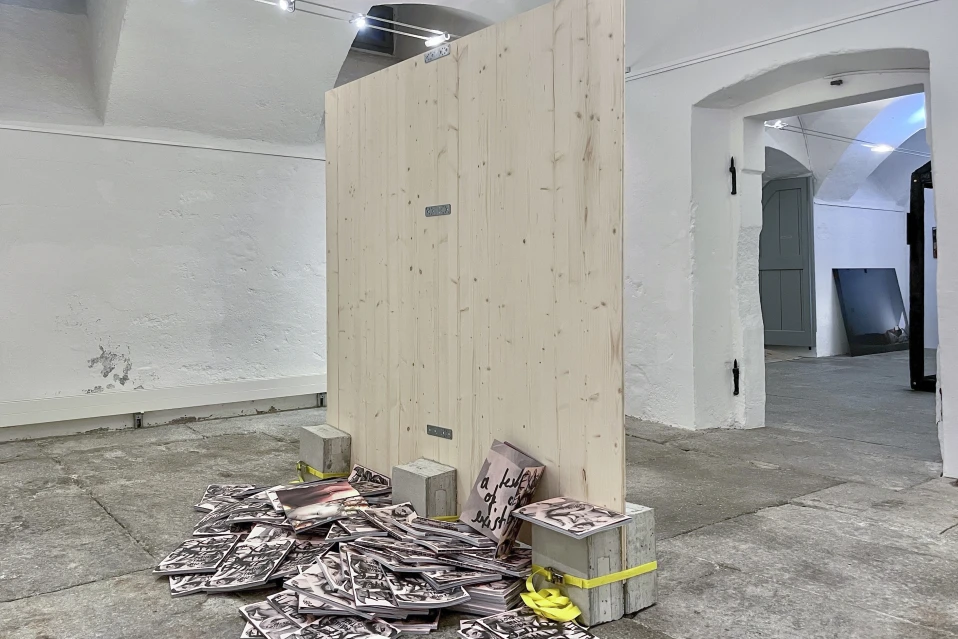
Marc Hansjörg Lieberherr (er/ihm) verbindet konzeptuelle Kunst mit szenografischen und räumlichen Ansätzen. Im Zentrum seiner Praxis steht die Übersetzung abstrakter, oft schwer fassbarer Ideen in visuelle und räumliche Erfahrungen. Durch materielle Experimente und ortsbezogene Installationen entstehen Räume, die vertraute Darstellungsweisen hinterfragen.
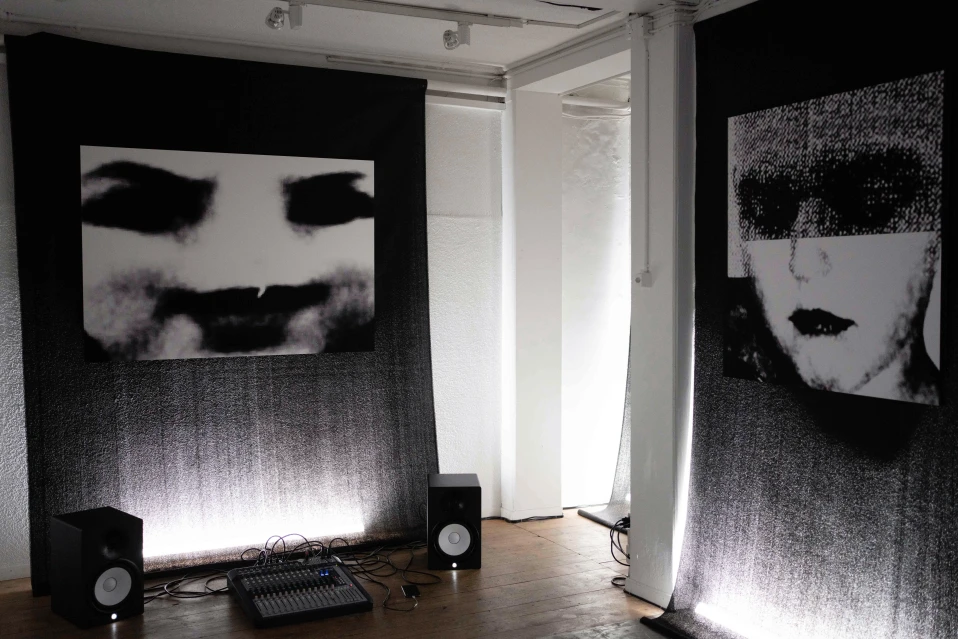
Mariam Abashidze (they/them) geht den Zusammenhängen zwischen industrieller Umweltverschmutzung, körperlicher Gesundheit und gesellschaftlichen Vorstellungen von Krankheit nach. Mariam verbindet behördliche Dokumente und statistische Darstellungen mit medizinischen Informationen und hinterfragt, wie Gesundheitsrisiken erfasst und vermittelt werden.
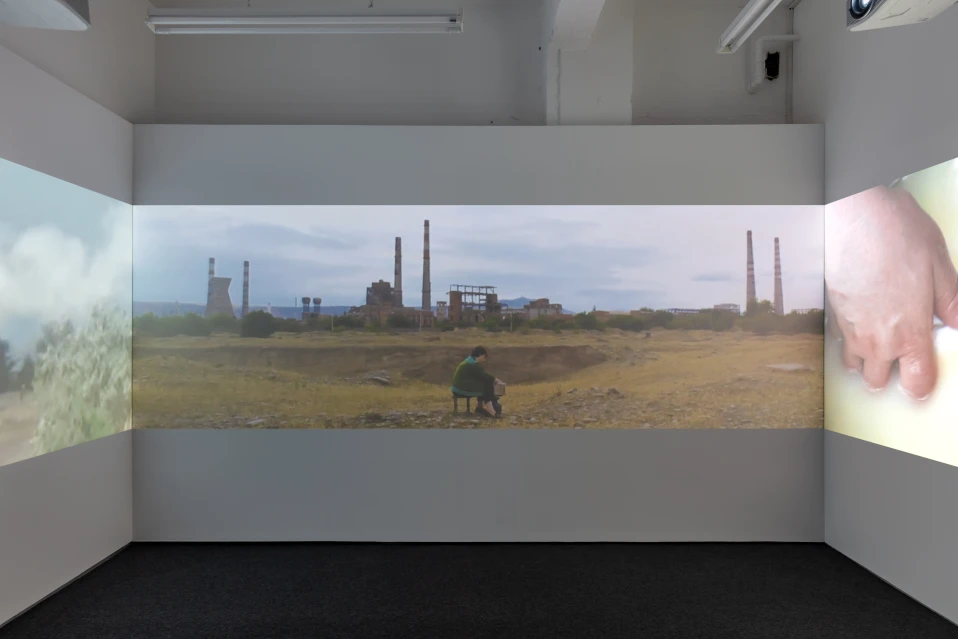
Naomé Nazire Tahmaz (sie/ihr) interessiert sich insbesondere für die Bedeutung handwerklicher Prozesse als Form der Verarbeitung ebenso wie für sakrale Objekte im privaten Raum. Im Zusammenspiel unterschiedlicher Materialien spürt sie persönliche Erfahrungen und symbolischen Bedeutungen von Objekten nach.
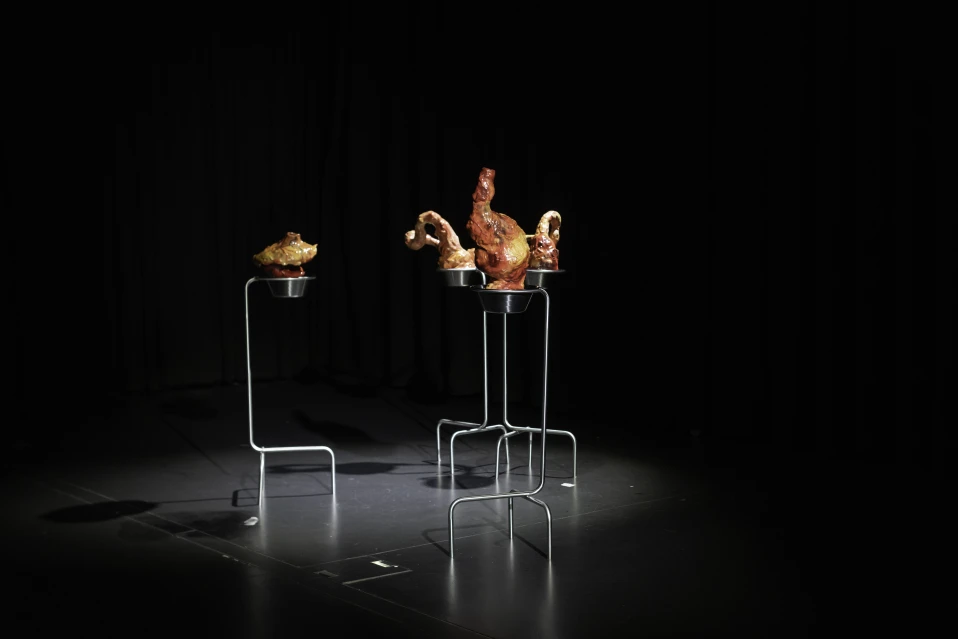
Nora Aliena Friedlin (they/sie) arbeitet multidisziplinär, textbasiert und erschafft begeh- und erfahrbare (Raum)Installationen. Ausgehend von Körpern, Transformationsprozessen, Fluidität und Symbiosen werden unterschiedliche Sinne poetisch angesprochen: berühren, zuhören, riechen, zuschauen, verschmelzen. Der Körper wird zum Akt des Wiederstandes, die Grenzen des Individuums verfliessen.
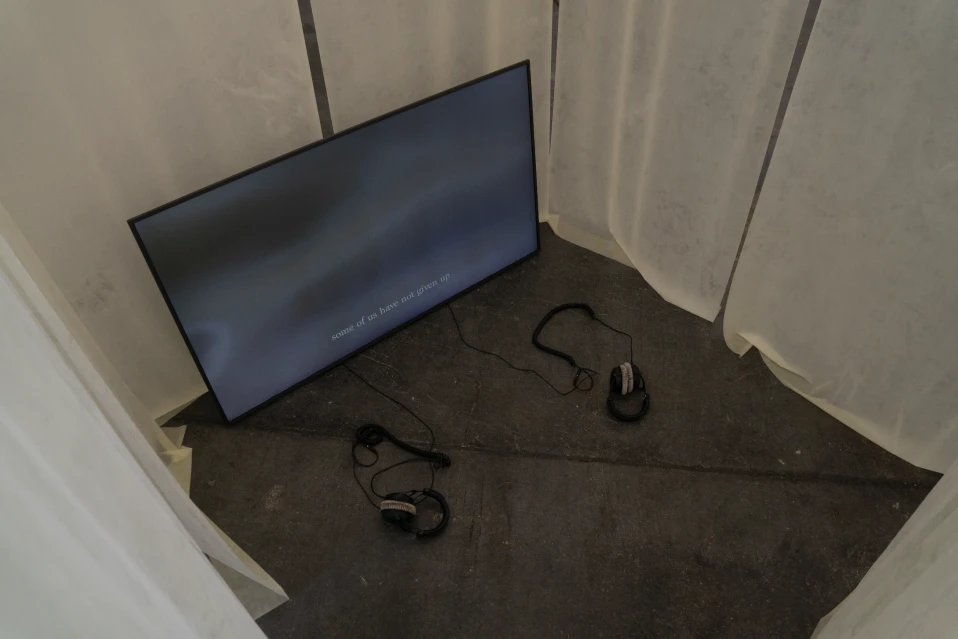
Peter Kradolfer (er/ihm) erforscht das Zusammenspiel von Material, Körper und Umwelt. Mit einem experimentellen, prozessorientierten Ansatz untersucht Peter das Veränderungspotenzial industrieller und organischer Strukturen. Seine Installationen verbinden Skulptur, Bewegtbild und Klang und zeigen auf, wie durch künstlerische Eingriffe neue Beziehungen zwischen Körper und Umgebung entstehen.
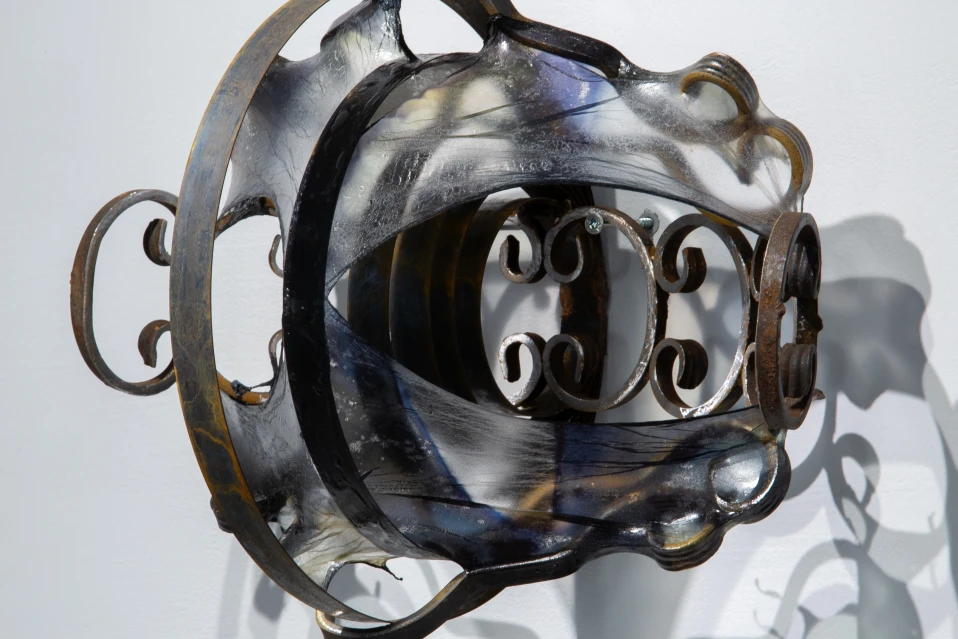
Anja Ripolls (sie/ihr) hybride Keramikskulpturen bewegen sich zwischen antiken Relikten und postapokalyptischen Visionen. Tristan Cubero (er/ihm) untersucht durch das tätowieren, Skulptur und Zeichnung den Körper als Träger von Erinnerung, Widerstand und Veränderung. Gemeinsam verbinden sie Erde, Haut und Metall zu fiktiven Welten voller rätselhafter Kreaturen und fantastischer Architekturen.
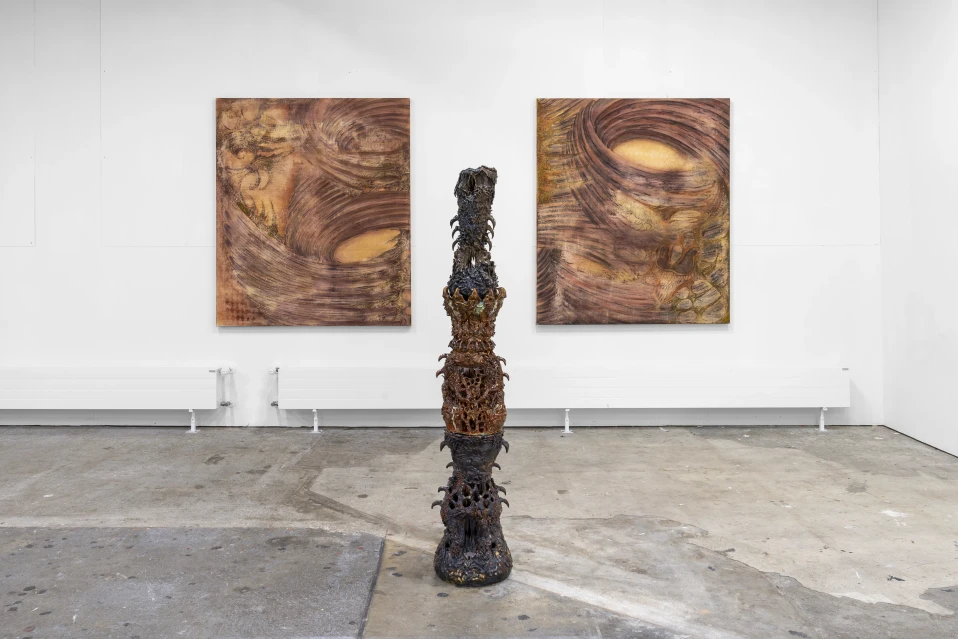
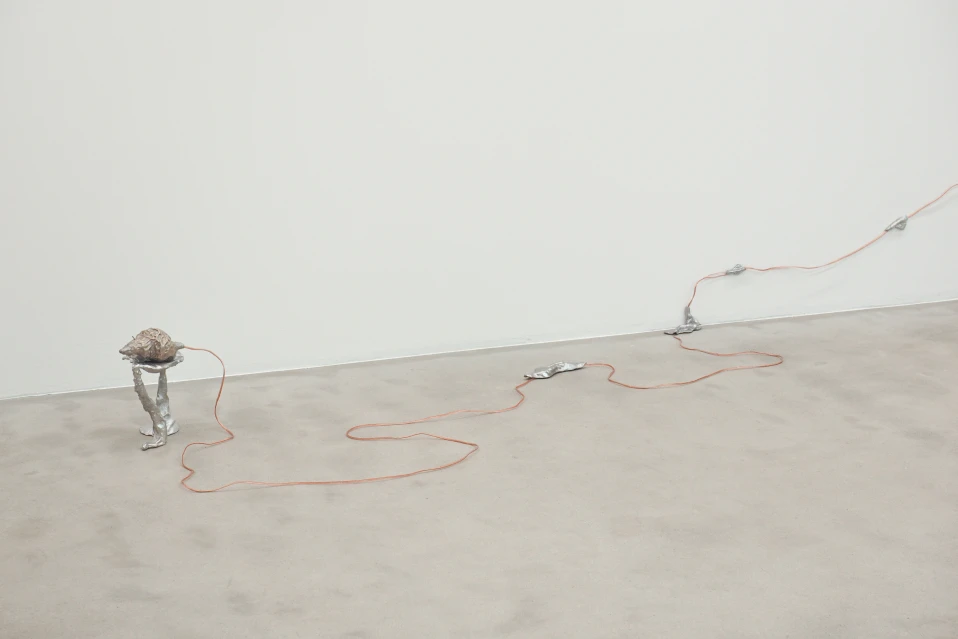
Romain Carrés (er/ihm) künstlerische Praxis erforscht die Grenzen des Beobachtbaren und entwirft eine «Post-Natur», in der sich unterschiedliche Lebensformen und Wirklichkeiten stetig verändern. Organische und synthetische Materie, verschiedene Formen von Intelligenz sowie Lebendiges und Unbelebtes treten dabei gleichberechtigt in Beziehung.

Thy Truong (sie/ihr) versteht Zuhören als eine Form der Aufmerksamkeit für das, was in uns, zwischen uns und um uns herum geschieht. Klang, Stimmen, verfremdete Feldaufnahmen und skulpturale Materialien verbinden sich mit Kindheitserinnerungen und vietnamesischer Architektur.
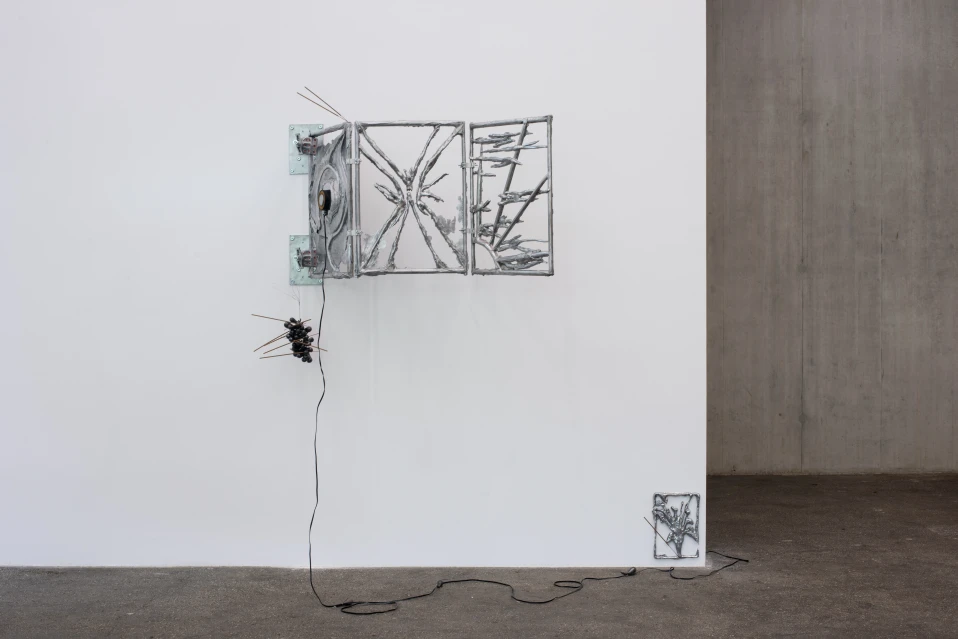
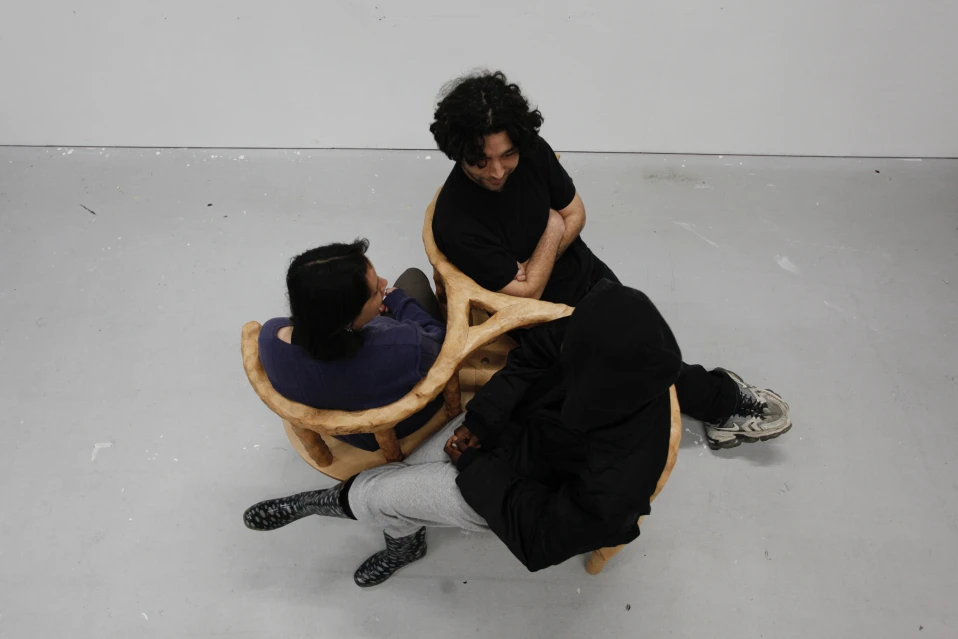
Yoonsuk Park (sie/ihr) untersucht, wie der Körper Beziehungen zu vertrauten Gegenständen und Räumen aufbaut. Durch subtile Veränderungen an alltäglichen Möbeln wie Stühlen und Tischen unterbricht Yoonsuk gewohnte Nutzungsweisen. Dabei entstehen Situationen, in denen der Körper nach einem neuen Gleichgewicht und veränderten Formen der Wahrnehmung sucht.