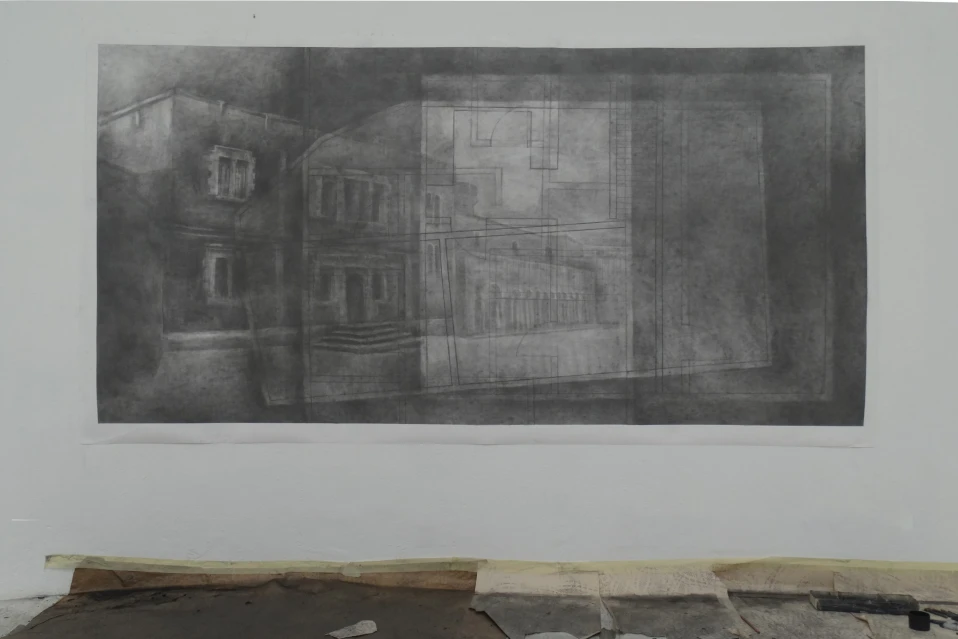
Alexandra Taoukidous (she/her) artistic practice persues relocation and the emotional states connected to them. For her large-format drawings on paper, Alexandra works mainly with pencil and graphite powder.
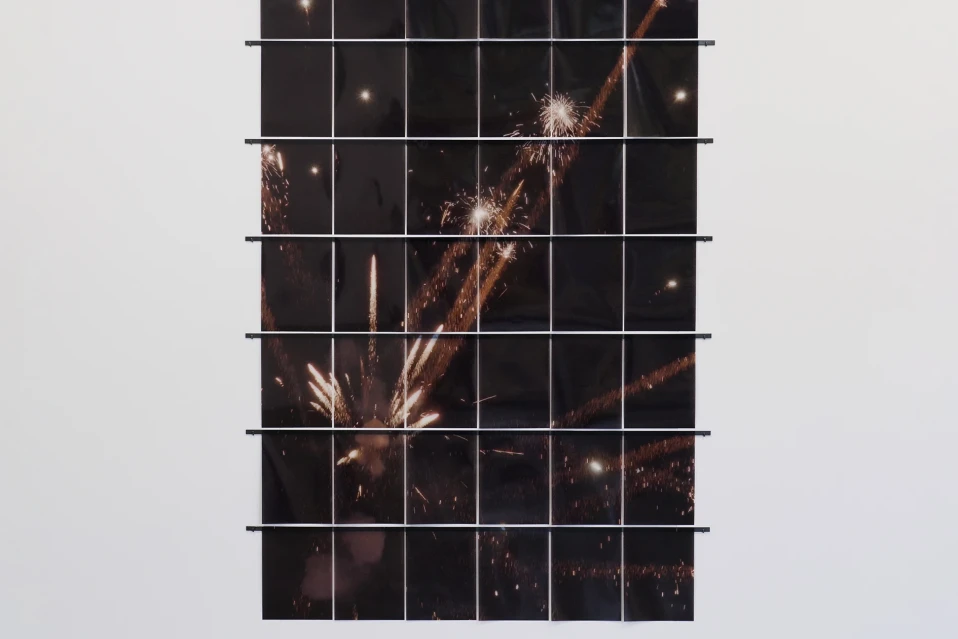
Alyona Hrekova (she/her) questions how political events and technological developments influence everyday life and the way we perceive the world around us. Her works often focus on moments of transition – between past and future, reality and fiction, or personal and collective experience.
Carla Blanca Corminboeuf (she/her) reflects on identity and cultural transmission. Drawing on Peruvian culture, her practice examines how cultural practices are passed on, transformed and reinterpreted across generations.
David Dragan (none/they/them) views the body as an archive shaped by historical and social forces. He takes the relationships between physicality, the past and political conditions as the starting point for his performances.
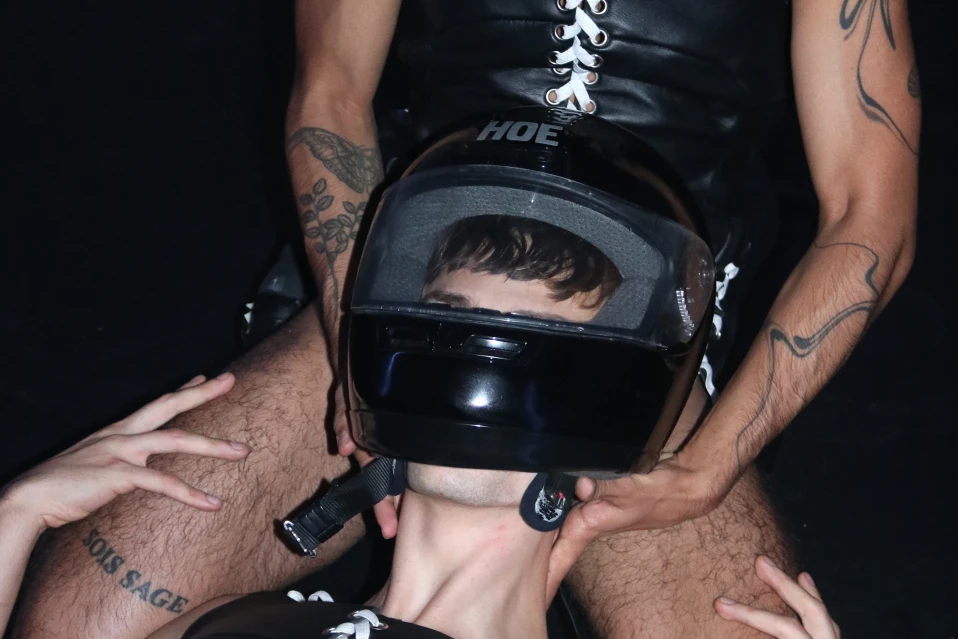
Dominique Bartels (she/her) follows the material narratives of textiles and images. Taking textile production processes and the working of natural fibres as her starting point, Dominique investigates historical connections between various visual media and textiles.
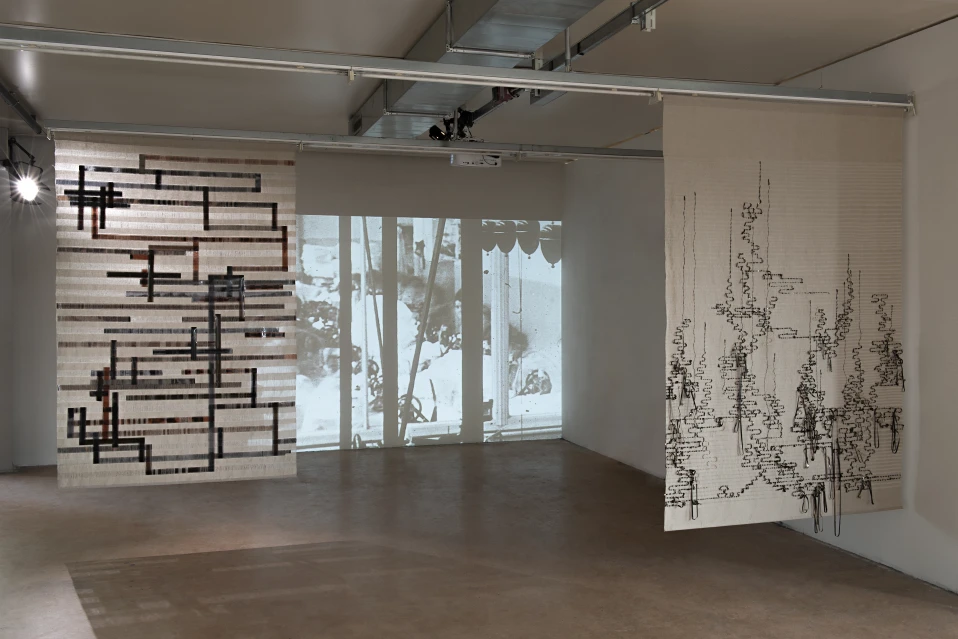
For Elia Menang Setiadi (he/him), painting becomes a form of thought. His starting point is everyday gestures, sounds, words and textures, which Elia collects and translates into his own visual language.
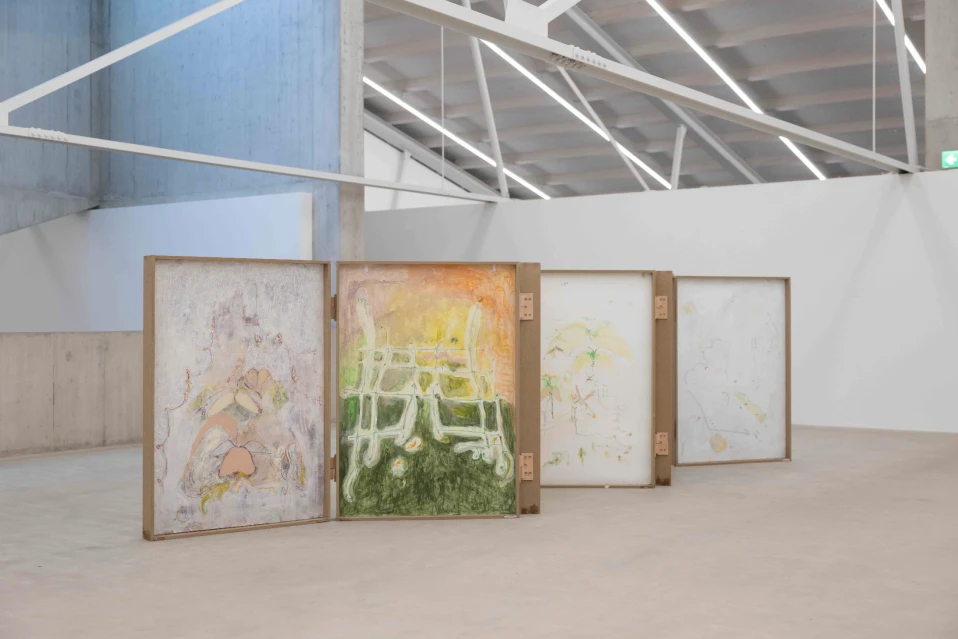
In her artistic practice, Emilia Trog (she/her) explores connections between diverse fields of knowledge and technical systems. She is particularly interested in structural similarities that extend beyond the boundaries of individual systems. Through deliberate shifts and variations, she translates existing structures into new forms.
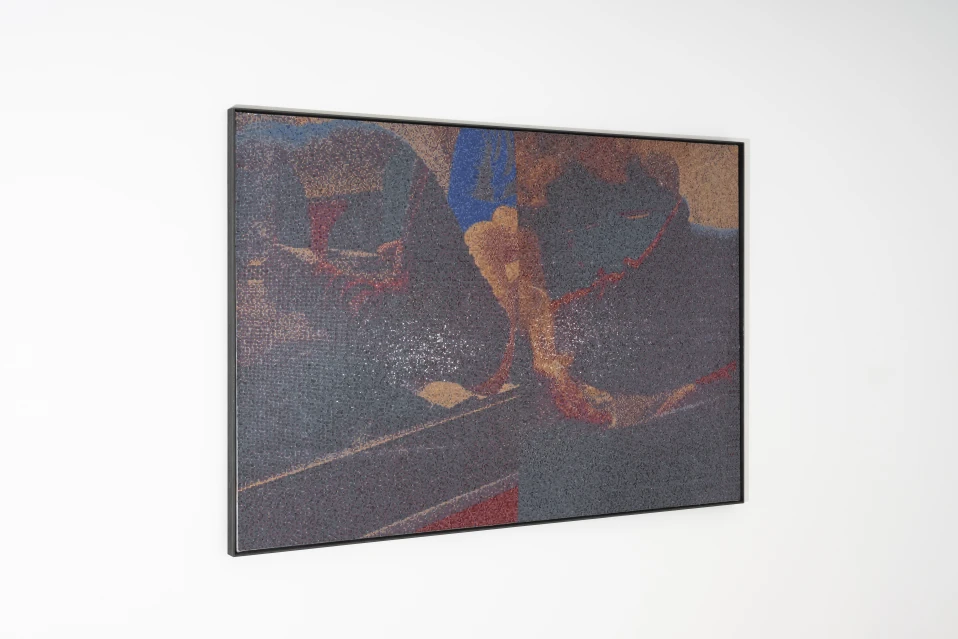
Julien Fournival (he/him) develops his installation-based works by exploring our relationship with familiar spaces, as well as personal and family mythologies. At the intersection between the domestic and the symbolic, he creates works that take the intimate as a starting point for shared experiences. He pays particular attention to in-between states and forms of storage and preservation.
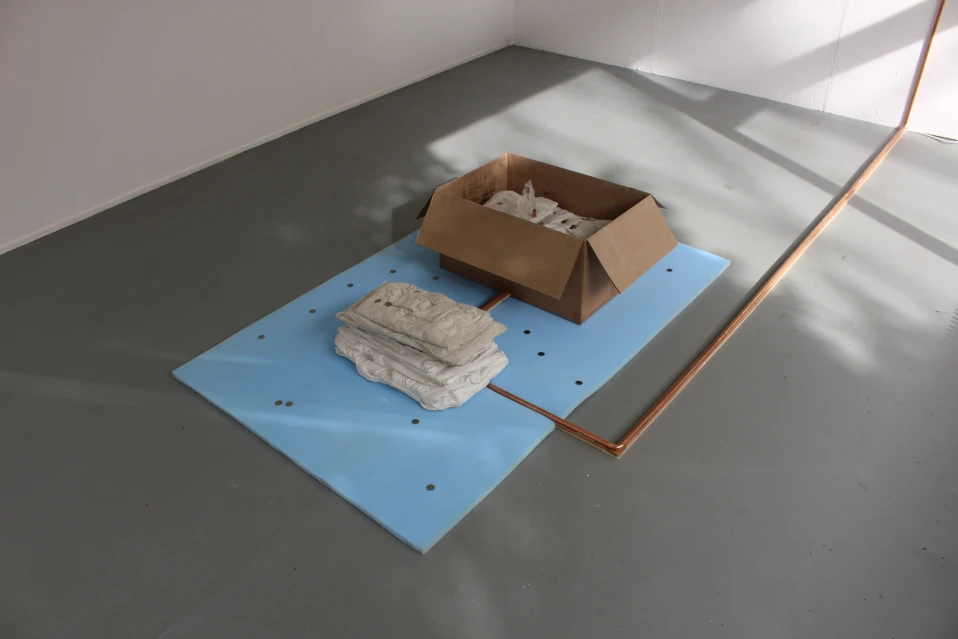
Following a personal experience, Justine Salamin (she/her) has spent several years accompanying a thanatopractor during mortuary care. These encounters with strangers' bodies raise questions about her own presence and the relationship between the living and the dead.
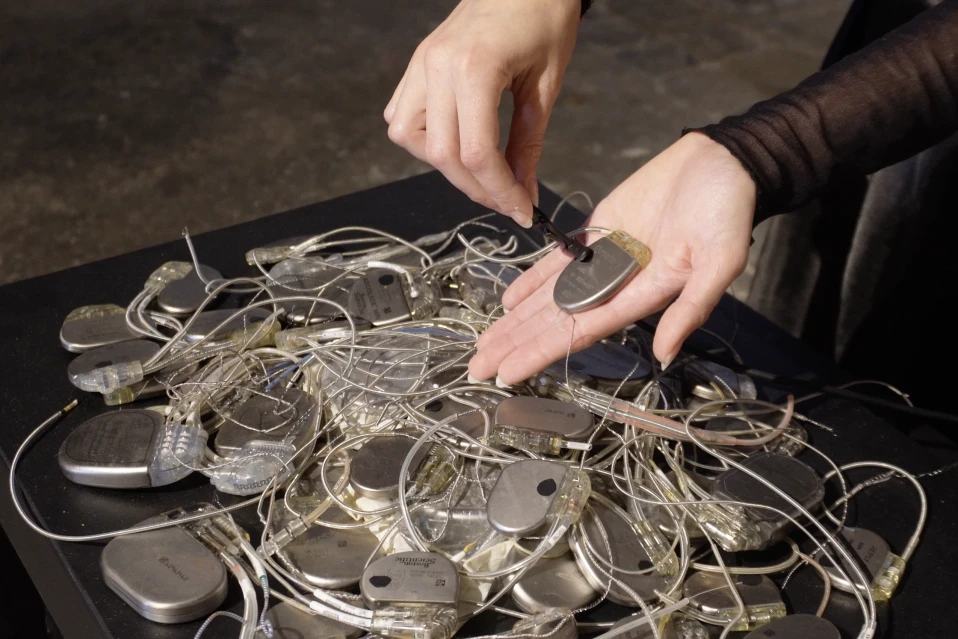
The experience of the in-between has shaped Kika Vilela (she/her) as the daughter of Portuguese immigrants. By placing historically rooted materials and forms in new contexts, Kika demonstrates how cultural histories are preserved, transformed and carried forward through personal experience.
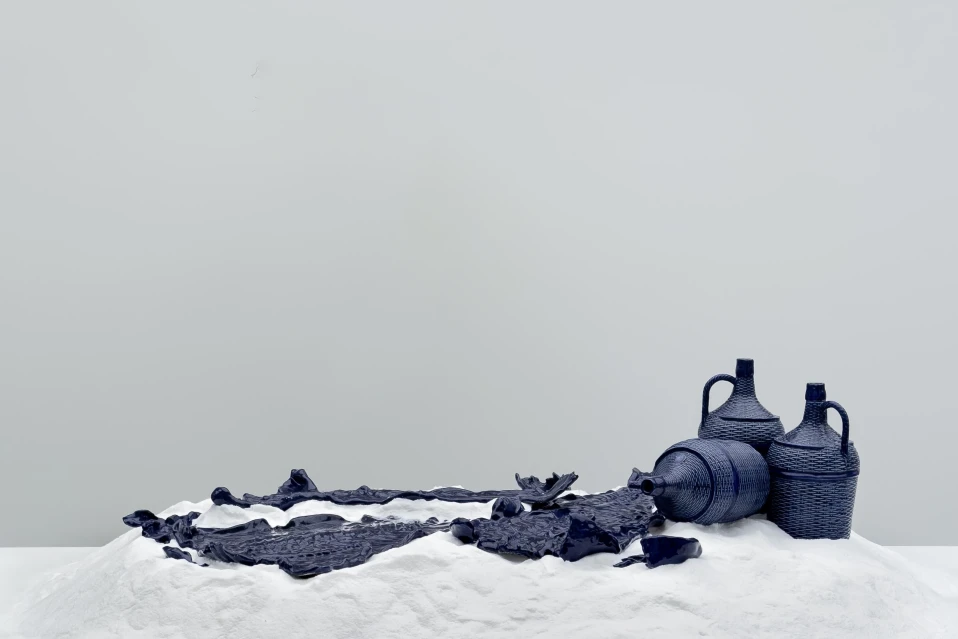
Materiality lies at the heart of Kyryl Korin’s (he/him) work. Drawing on sociological approaches, he creates spatial interventions in which he explores questions relating to our social conditions of life.
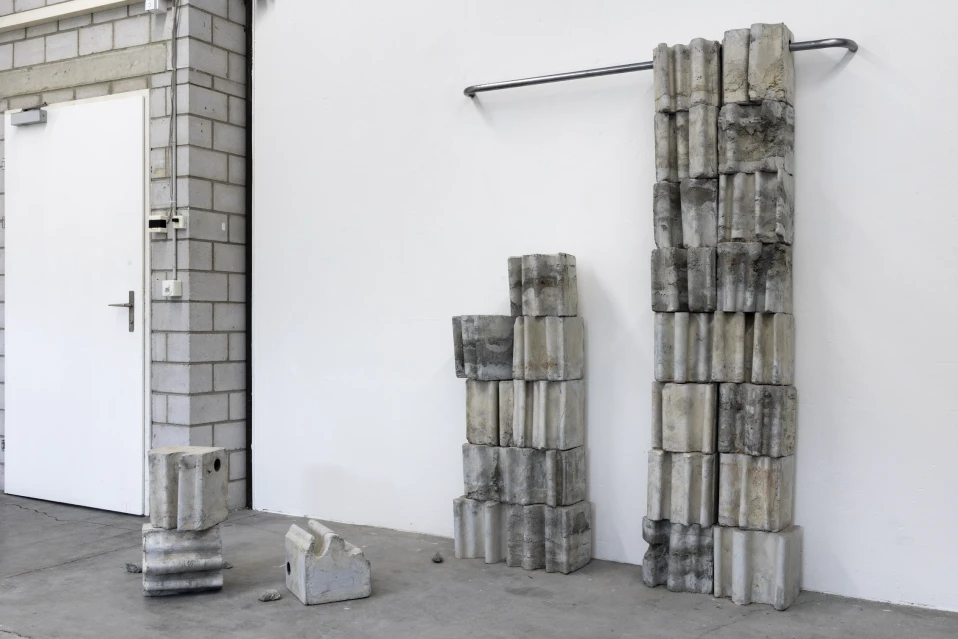
Leila Ruru Ogbon (she/her) traces the footsteps of a family whose history is constantly being rewritten. She is interested in the ambivalence of photographic images, which preserve the past yet can never fully capture it.
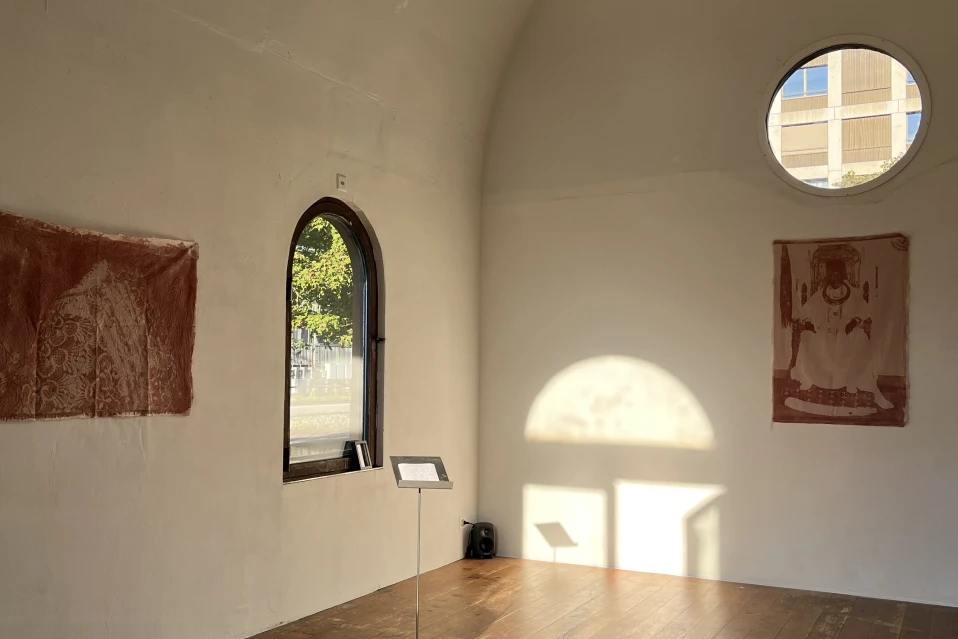
Mahalia taje Giotto (they/them) uses art as a space for documentation, resistance and reconstruction, where the intimate becomes political. Rooted in their experience as a non-binary transmasculine person, taje questions masculinity as a phenomenon in constant transformation, perceived, performed and internalised.
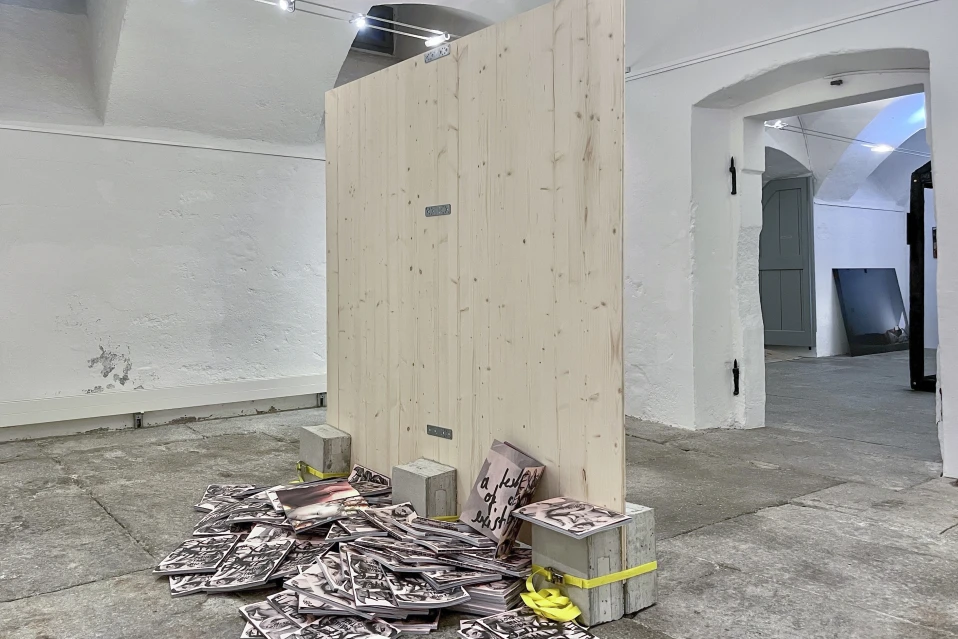
Marc Hansjörg Lieberherr (he/him) combines conceptual art with scenographic and spatial approaches. His practice centres on translating abstract, often intangible ideas into visual and spatial experiences. Through material experimentation and site-responsive installations, he creates environments that challenge conventional modes of representation.
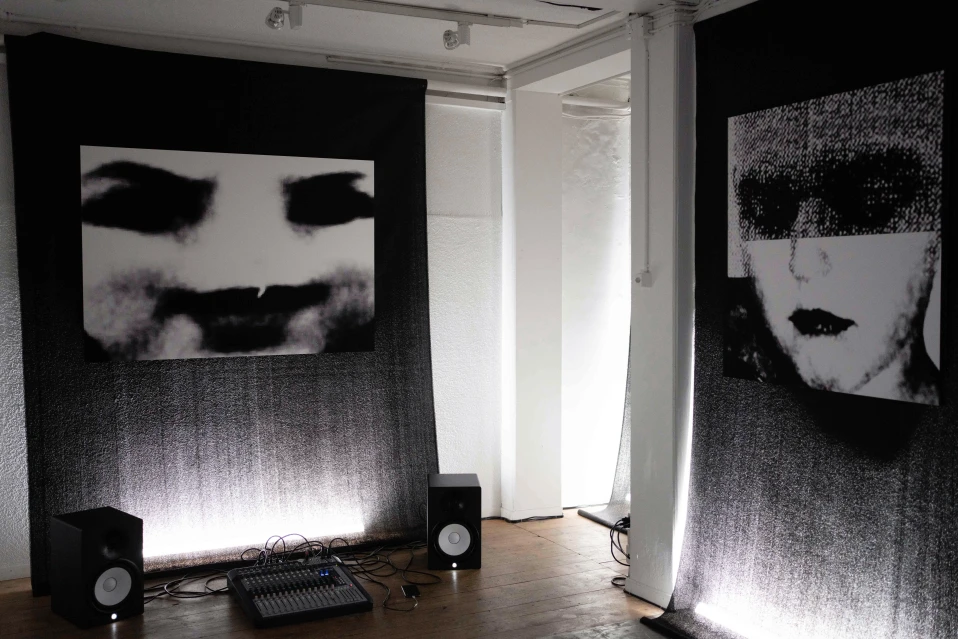
Mariam Abashidze (they/them) researches the connections between industrial pollution, physical health and societal perceptions of illness. Combining official documents and statistical representations with medical information, Mariam questions how health risks are recorded and communicated.
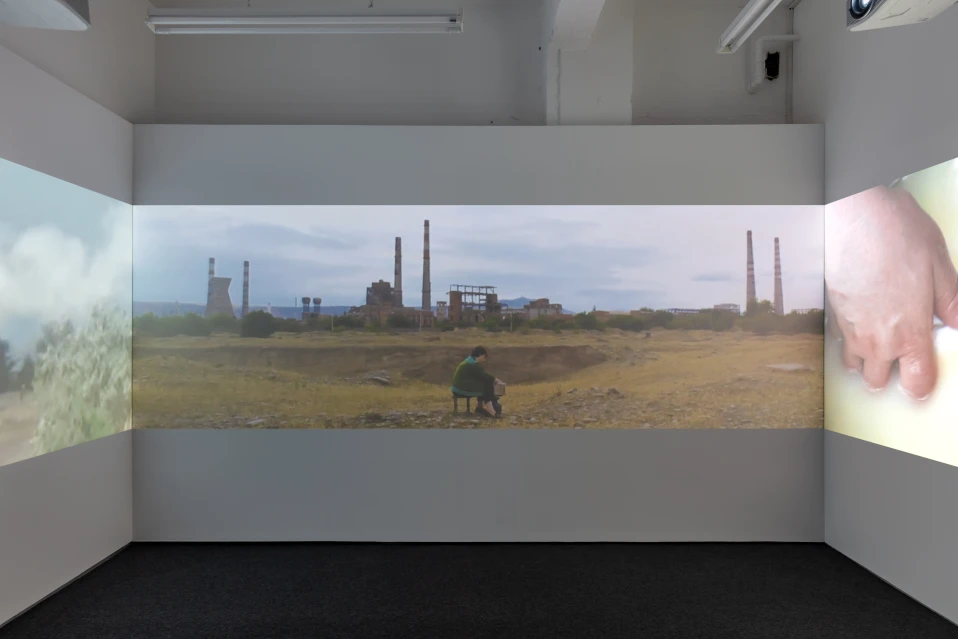
Naomé Nazire Tahmaz (she/her) is particularly interested in the significance of craft processes as a form of creation, as well as in sacred objects within private spaces. Through the interplay of different materials, she traces how objects embody personal experiences and symbolic meanings.
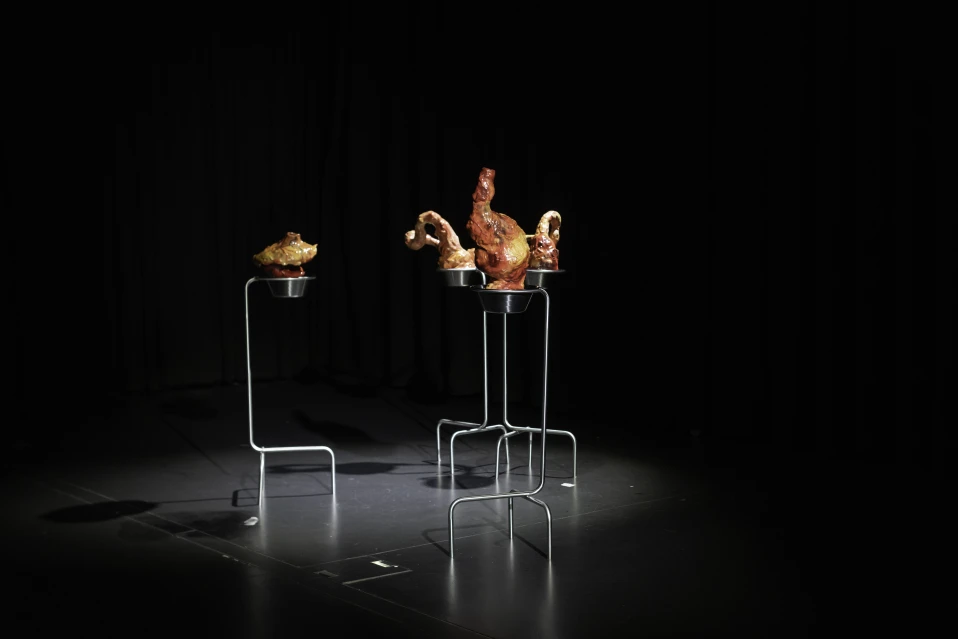
Nora Aliena Friedlin (they/she) works across disciplines and with text, creating immersive spatial installations that can be entered and experienced. Drawing on bodies, processes of transformation, fluidity and symbiosis, Nora poetically engages multiple senses: touching, listening, smelling, watching and merging. The body becomes an act of resistance, while the boundaries of the individual begin to dissolve.
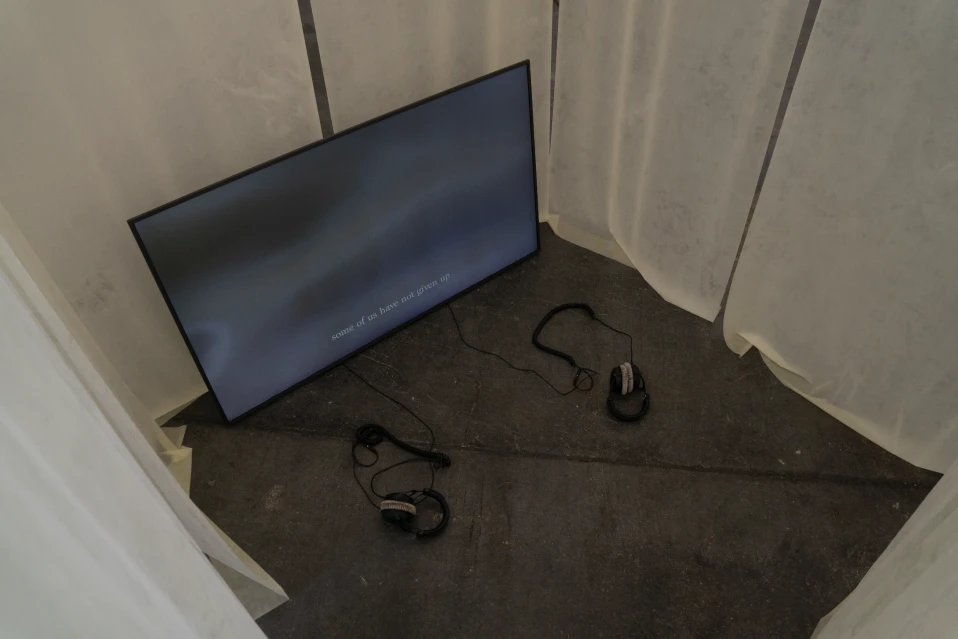
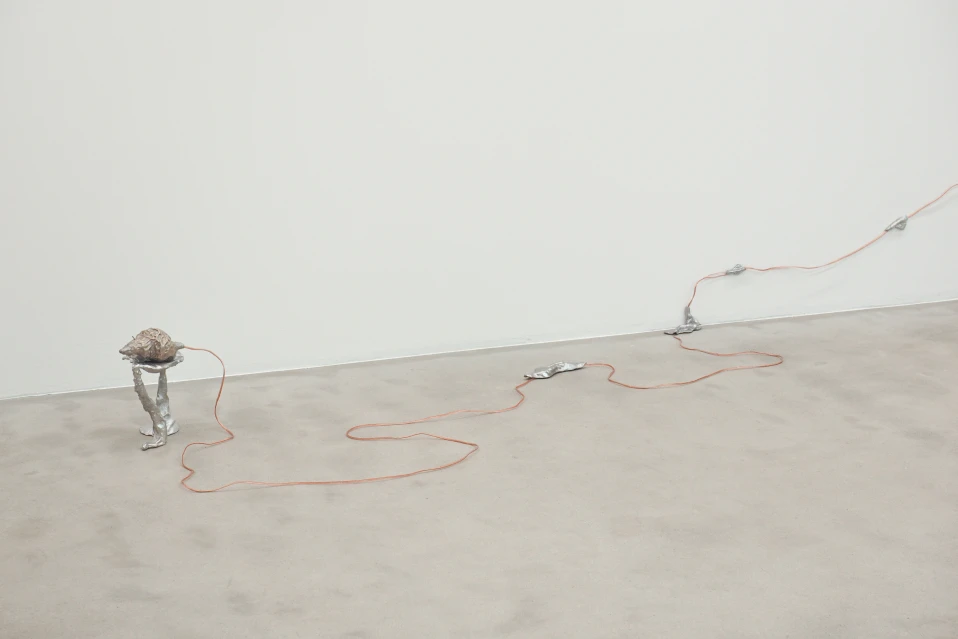
Peter Kradolfer (he/him) reflects on the interplay between matter, body and environment. Through an experimental, process-based approach, Peter investigates the transformative potential of industrial and organic structures. His installations combine sculpture, moving image and sound, revealing how artistic interventions can create new relationships between the body and its surroundings.
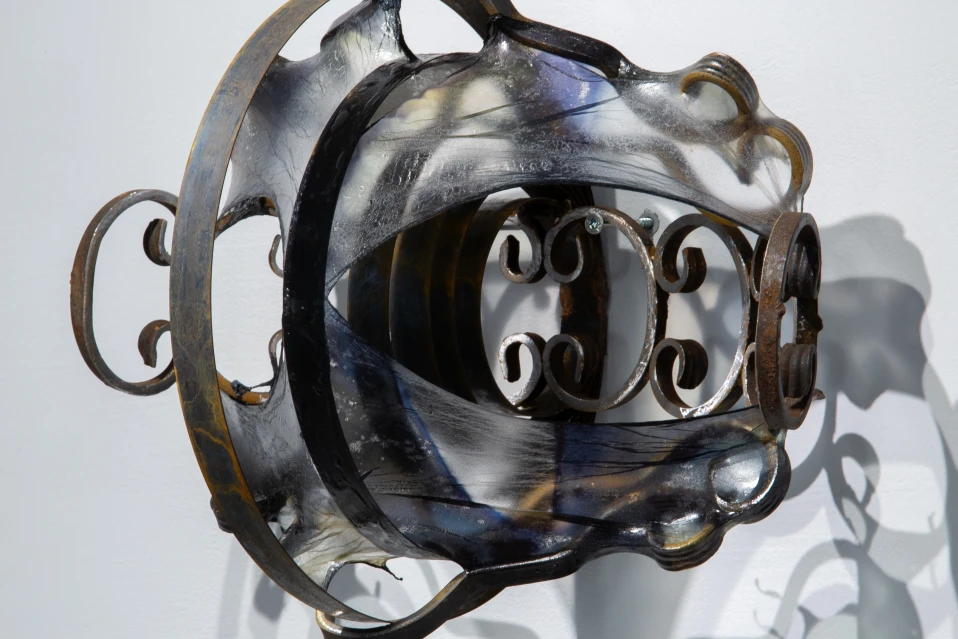
Anja Ripolls (she/her) hybrid ceramic sculptures move between ancient relics and post-apocalyptic visions. Through tattooing, sculpture and drawing, Tristan Cubero (he/him) examines the body as a bearer of memory, resistance and transformation. Together, they combine earth, skin and metal to create fictional worlds inhabited by enigmatic creatures and fantastical architecture.
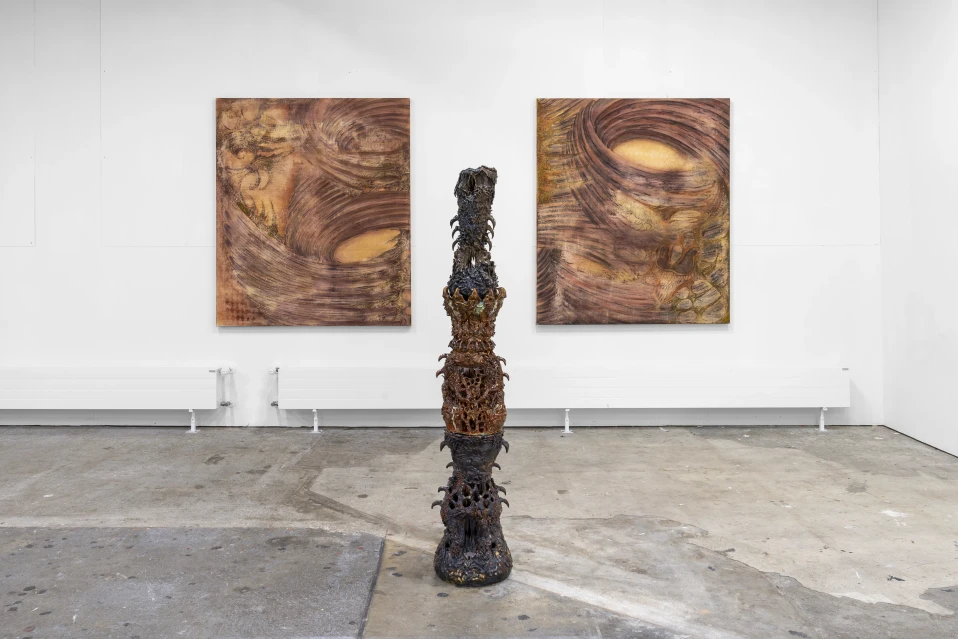
Romain Carré-Matteis (he/him) practice examines the limits of the observable world and imagines a “Post-Nature” in which different forms of life and realities are constantly recomposed. Organic and synthetic matter, different forms of intelligence, and living and inert entities coexist without hierarchy.

Thy Truong (she/her) approaches listening as a form of attention to what moves within, between and around us. Thy explores memory, ancestry and historical imprints. Sound, voices, transformed field recordings and sculptural materials intertwine with childhood memories and Vietnamese architecture.
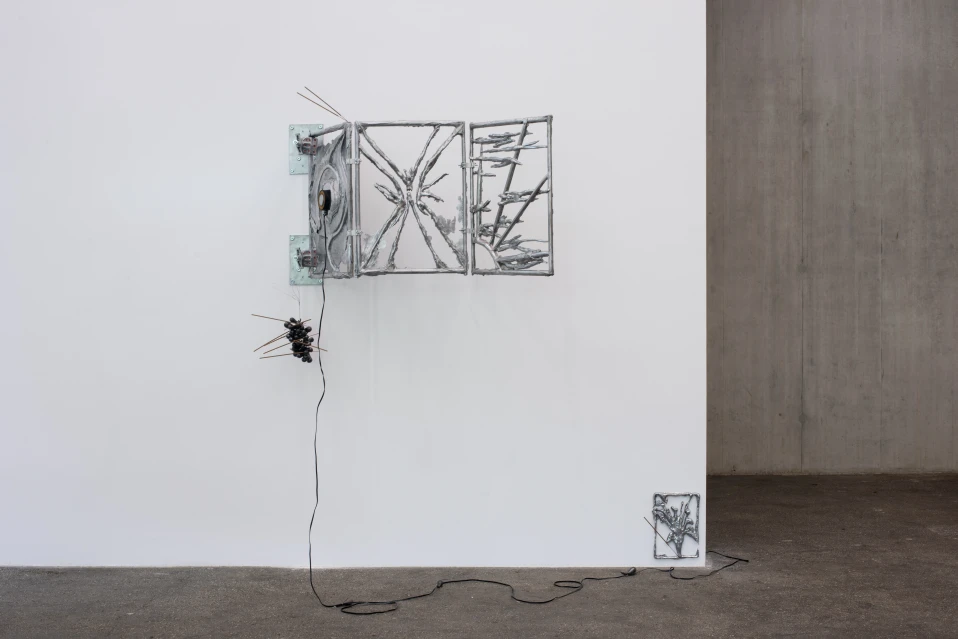
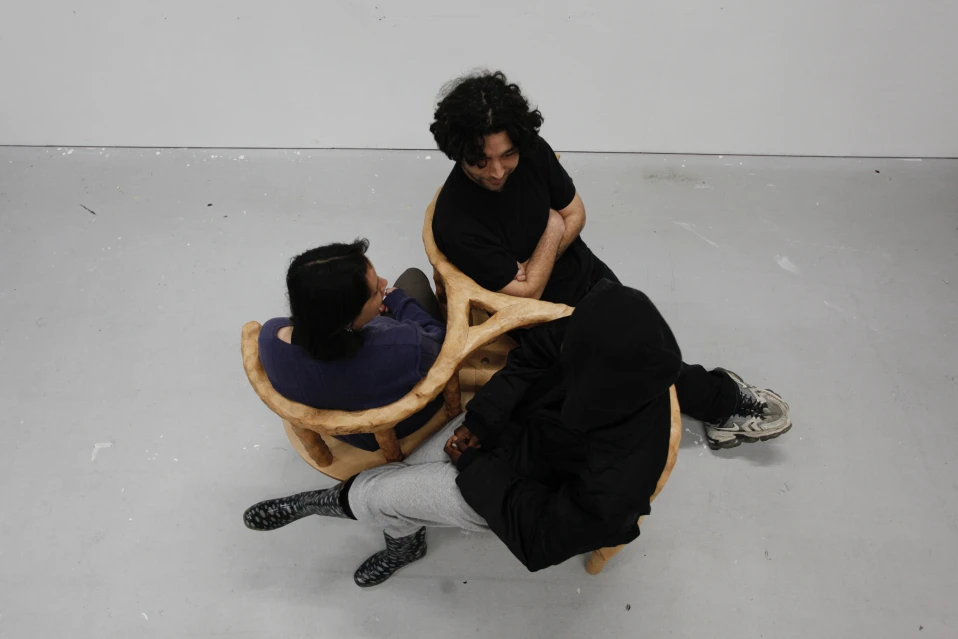
Yoonsuk Park (she/her) explores how the body forms relationships with familiar objects and spaces. By subtly altering everyday furniture such as chairs and tables, Yoonsuk disrupts habitual ways of using them. These shifts create situations in which the body searches for new forms of balance and perception.